How to Choose the Right Fibre Cement Cladding for Your Home
Home Our Blogs The right fibre cement cladding depends on four things: the look you


Take one look at the amazing features of Treated pine timber and you will realize why it ranks as one of Australia’s most popular building materials. It is budget-friendly, widely available, easy to work upon and high on durability, especially when treated in the right way. During one of your building projects, either while raising a fence or building a deck, you would have come across treated pine as a preferred option.
But what exactly is Treated Pine Timber and what are its best applications? This Guide is all that you will need to refer to understand the types of treatment treated pine timber undergoes, where to use it, where not to use it, safety tips and its practical uses. Read on for all this and more….
Radiata Pine when pressure treated using various chemicals to protect it against weathering, fungi, decay and termites, is known as Treated Pine. Originally, pine is soft timber but when treated with chemicals, becomes suitable for outdoor use as its lifespan is enhanced significantly.
How is it treated? The timber is placed in a vacuum chamber and protective preservatives are injected into its fibres using high pressure. This results in a strong, weather-resistant and highly versatile product that is ready to be used for a variety of applications including building and landscaping.
In Australia, treated pine is categorised by its Hazard Level (H-Level). This hazard level is helpful for users to understand the timber’s resistance level and the type of environment it is suitable for:
Hazard Level | Use | Common Applications |
H1 | Indoor use only – dry conditions | Furniture, internal framing |
H2 | Indoor use – protected from wetting, termite-resistant | Wall frames, roof trusses (in termite zones) |
H3 | Outdoor above ground – weather & termite-resistant | Decking, pergolas, cladding, fence rails |
H4 | Outdoor in-ground contact | Fence posts, garden edging, retaining walls |
H5 | In-ground with fresh water contact | Retaining walls, house stumps |
H6 | Marine use – contact with salt water | Piers, jetties, boat ramps |
Check out why treated pine is a much-preferred option for builders and DIY enthusiasts across Australia:
Decking (H3)
Treated pine works quite well for decking as it is affordable as compared to hardwoods. Although it is softer and needs sealing quite regularly, if maintained properly, it can last long.
Fencing and Posts (H4)
Posts that are fixed into the ground are prone to termite attacks and have to be H4 treated to the least to prevent the pine from rotting. Fence rails made from treated pine can be installed easily and are easy on the pocket too.
Garden Beds and Edging (H4)
Timber used for decorative edging or raised vegetable gardens should be ARS (Approved for Residential Structures) or CCA-free as the timber may come in contact with edible plants.
Pergolas and Outdoor Structures (H3)
Gazebos, carports or pergolas look great when made from Treated pine, but need to be kept away from the ground. For a stylish, polished look, they can also be painted or stained with ease.
Retaining Walls (H4-H5)
If you are building retaining walls or landscaping, use the right grade of treated pine and check soil pressure and drainage of the area. Treated pine sleepers are straight, strong and present no difficulty while working.
Subfloor Framing and Bearers (H3/H4)
For ventilated or outdoor flooring systems, treated pine joists and bearers are preferred since they are long lasting and affordable too.
Even though it’s versatile, it is not advisable to use treated pine for the following projects:
When used in the right way, treated pine is safe. Most modern treated pine in Australia uses ACQ (Alkaline Copper Quaternary) or LOSP (Light Organic Solvent Preservative), which are safer alternatives to older CCA (Copper Chrome Arsenate) treatments.
Safety tips:
Treated pine isn’t exactly zero-maintenance and needs some care and maintenance to make it last long and good-looking. Here are a few tips to do that:
Due to its reliability, budget-friendliness and incredible versatility when applied correctly, treat pine timber is a highly-sought-after champion for the professionals in the business of Australian building materials.
Just remember:
We are sure this guide will help you to navigate through the complex building process and create smarter, safer and sustainable projects using Treated Pine Timber.
Home Our Blogs The right fibre cement cladding depends on four things: the look you
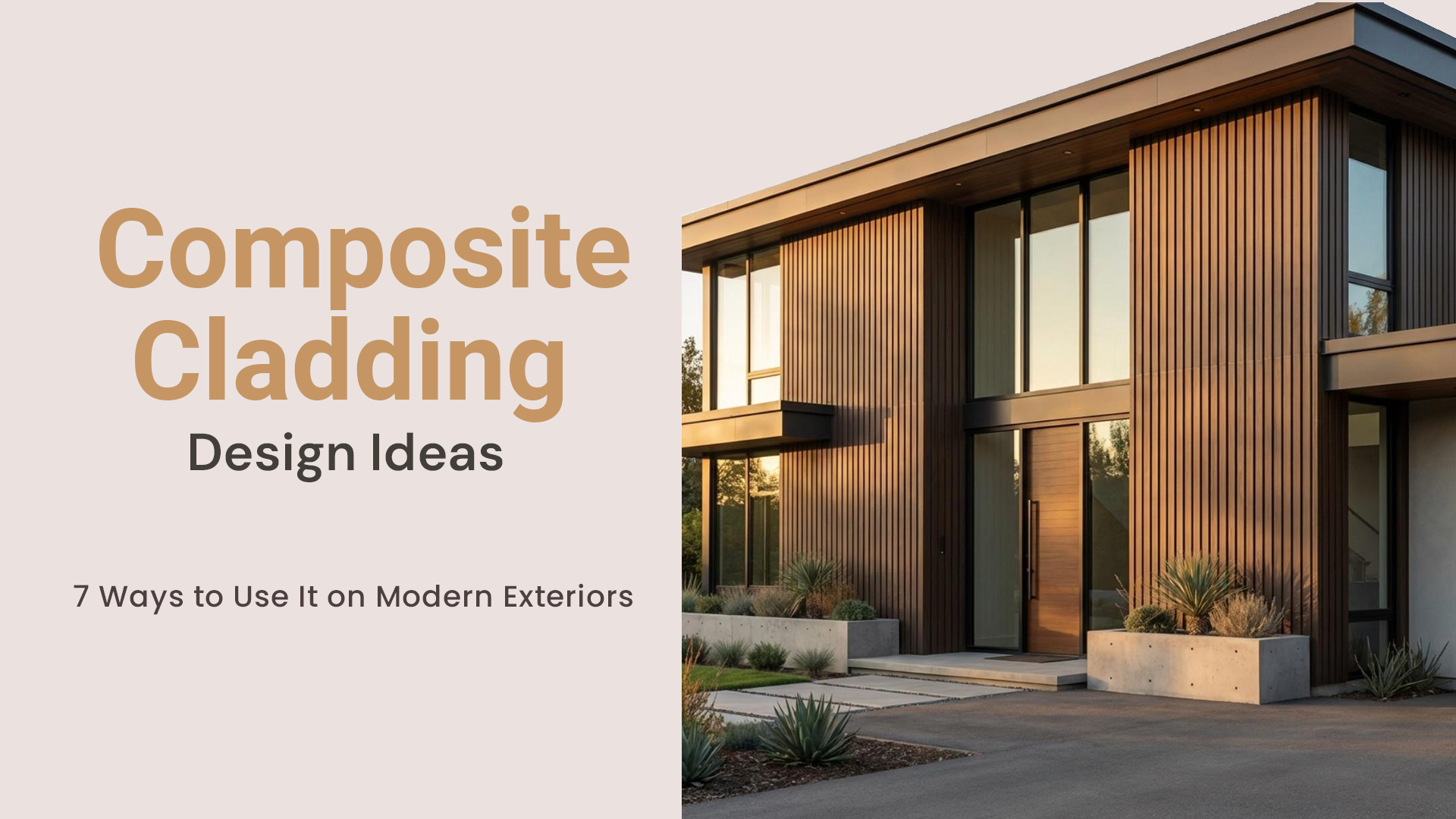
Home Our Blogs Composite Cladding can give a modern home the warmth of timber-like texture
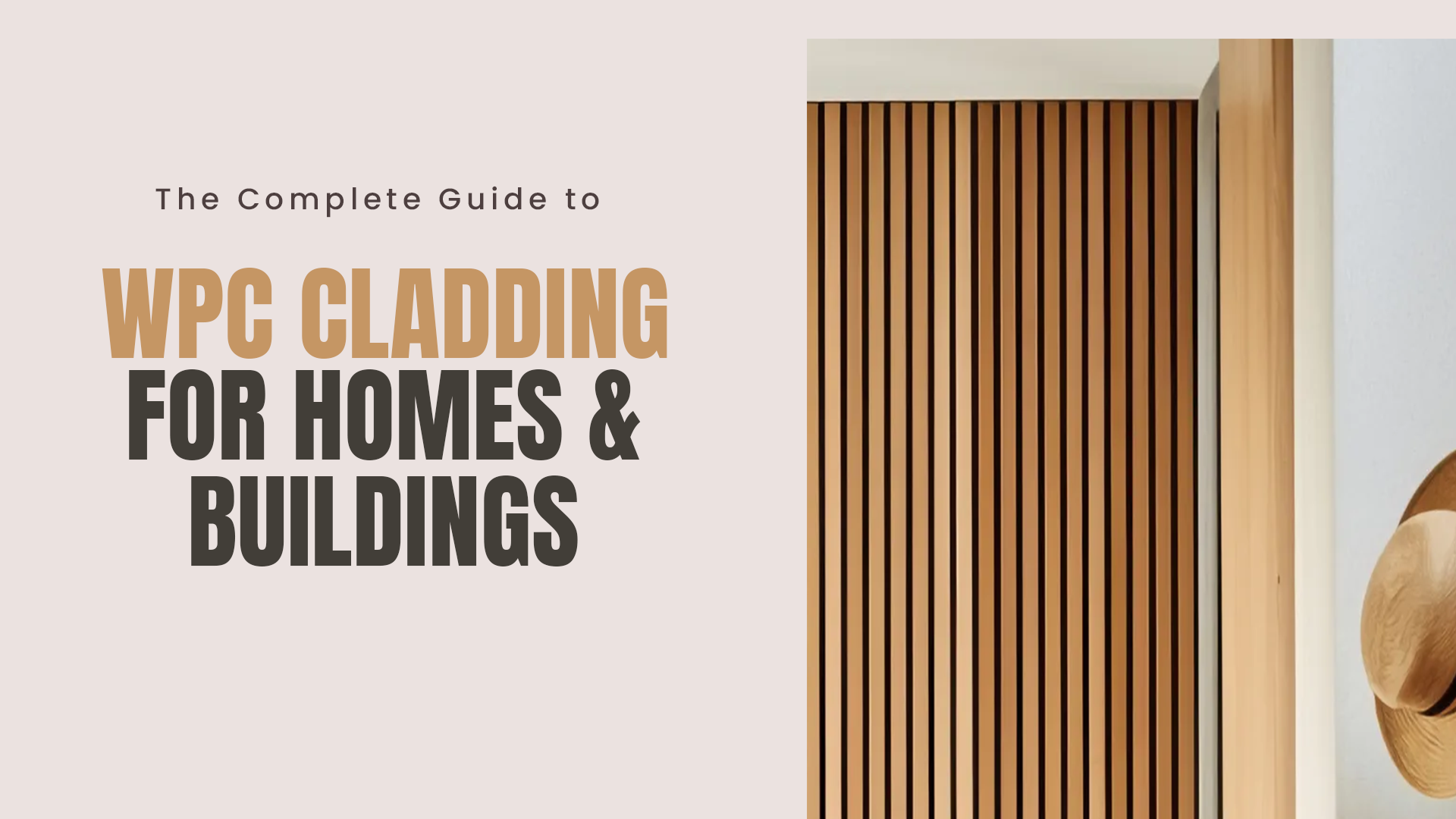
Home Our Blogs WPC cladding is a composite wall covering made from wood fibres or