How to Choose the Right Fibre Cement Cladding for Your Home
Home Our Blogs The right fibre cement cladding depends on four things: the look you


If you are in the planning stages of your project where you want to create a beautiful and long-lasting outcome and avoid a very costly error of judgement, then the choice of the right timber for your project will be the key. Selecting timber wisely is absolutely necessary in Australia, a country where sustainability, pests and climate are the primary concerns.
So, when you are taking on a home renovation project, building a deck or creating furniture for your beloved home, read this essential guide to make the right choice, every time.
Begin by asking: where is the timber being used?
Australia is blessed with climate that ranges from temperate down south to tropical up north while the inland climate is arid. Your choice of timber shall completely be dependent on your local conditions.
Here are some common Australian timbers and their ideal uses:
Timber | Durability | Common Uses | Notes |
Spotted Gum | High | Decking, flooring, structural | Fire-resistant, hard and durable |
Ironbark | Very high | Poles, flooring, heavy-duty framing | Extremely hard, termite resistant |
Blackbutt | High | Flooring, cladding, furniture | Lighter colour, bushfire-resistant |
Jarrah (WA) | High | Outdoor furniture, flooring | Rich red tones, durable |
Tasmanian Oak | Low-medium | Furniture, interior framing | Reasonably priced, good for indoor use |
Radiata Pine (treated) | Low (untreated), Medium (treated) | Framing, pergolas | Widely available, cost-effective |
Australian authorities are very strict about forestry regulations, but make sure your timber is certified properly:
Ask your timber supplier if treated timber is safe for your intended use, especially if you have pets or you are planning to use in gardens.
Budget or Quality? If this is the dilemma you are facing, we recommend quality over price. While timber prices in Australia can differ a lot as top-rung native species or imported hardwoods can be priced high, but it is best not to choose short term savings over durability. You could also consider mixing materials. For example, use premium timber for high-visibility areas, and budget-friendly timber for hidden structural work.
BAL ratings (Bushfire Attack Level) should be checked if you live in a bushfire-prone area, as your local council will also need you to ensure compliance.
Even the best timber in the world needs maintenance and care:
Local timber merchants or specialist timber yards should be preferred over large retailers or retail chains. This will fetch you better advice, assured quality and sustainably sourced timber as compared to the bigger players. They hire local talent and you will indirectly support Australian employment.
And we conclude….
Selecting the right timber in Australia is much more than merely choosing the best grain. There are many factors like climate, durability, appearance, application and climate to be considered as they play critical roles. We recommend a detailed study of your project needs and consultation with local experts while doing so. Choose quality materials that will endure the tough Australian conditions and your investment will bear fruit.
You may be setting up flooring in Melbourne, building furniture in Fremantle or a deck in Darwin, selecting the right timber will take your project several notches up and leave a legacy for generations to come.
Home Our Blogs The right fibre cement cladding depends on four things: the look you
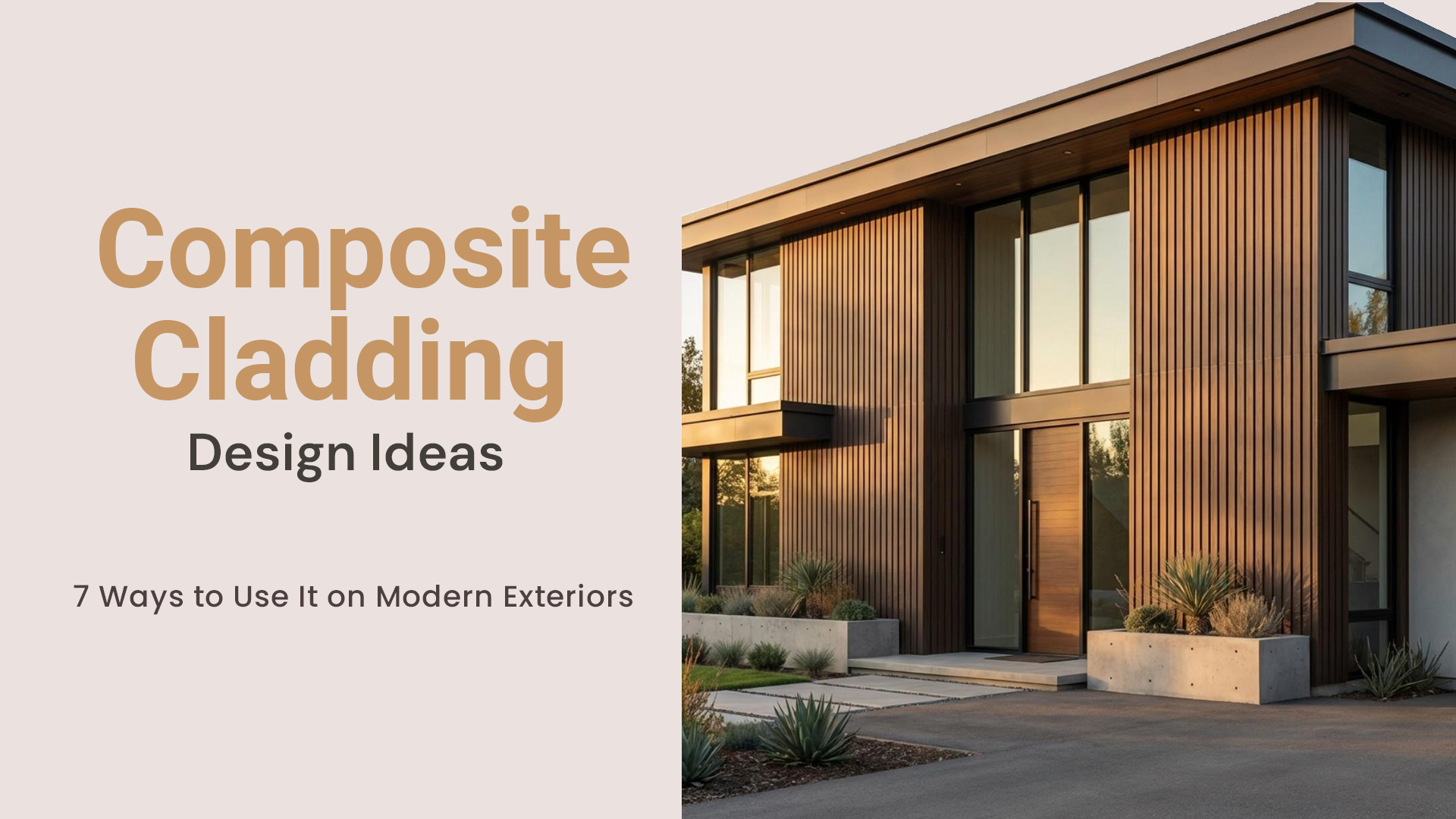
Home Our Blogs Composite Cladding can give a modern home the warmth of timber-like texture
Home Our Blogs WPC cladding is a composite wall covering made from wood fibres or