Please contact us to confirm product availability before placing an online order or making any payments. This helps prevent delays and ensures a smooth ordering process. | Due to the ongoing oil crisis, there has been an increase in the delivery charges.

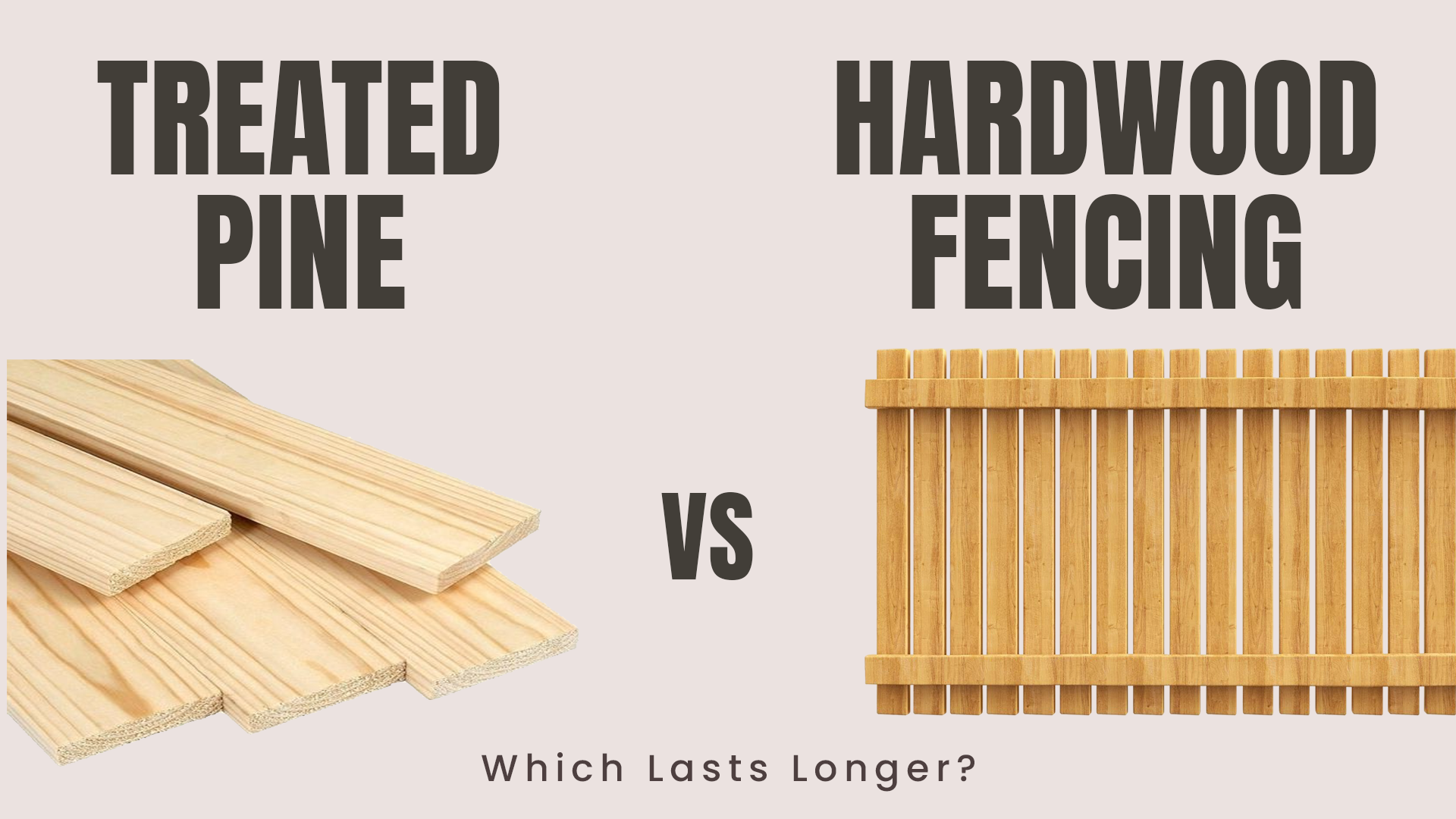
Treated Pine vs Hardwood Fencing: Which Lasts Longer?

Treated Pine vs Hardwood Fencing

Choosing the right fencing timber is one of the most important decisions when building a new fence or replacing an existing one. A well-built timber fence improves security, privacy, and street appeal while adding long-term value to your property. However, not all timber fence materials offer the same level of durability, appearance, or maintenance requirements.

When comparing treated pine fencing and hardwood fencing, Australian homeowners often ask the same question: Which fencing timber lasts longest? The answer depends on several factors, including your budget, local climate, maintenance expectations, and the intended purpose of the fence.

Both treated pine and hardwood timber are widely used for Timber Fencing in Australia, but each comes with its own advantages. Treated pine fencing is a cost-effective solution that performs well for most residential projects, while hardwood fencing is known for its exceptional strength, natural beauty, and impressive lifespan.

In this guide, we’ll compare durability, maintenance, appearance, and value to help you choose the Best timber for fencing in Australia. Whether you’re planning residential timber fencing, upgrading boundary fencing, or sourcing premium fence posts and rails, understanding the differences between these two popular materials will help you make an informed investment

Treated Pine vs Hardwood Fencing Comparison

Treated Pine vs Hardwood Fencing in Australia

Feature

Treated Pine Fencing

Hardwood Fencing

Average Lifespan

15 to 25 years

25 to 40+ years

Initial Cost

Lower

Higher

Long-Term Value

Moderate

Excellent

Durability

Good

Excellent

Resistance to Rot & Decay

Good due to treatment

Naturally high

Termite Resistance

Good (treated)

Very good (species dependent)

Strength & Structural Stability

Moderate

High

Maintenance Requirements

Moderate

Low to Moderate

Appearance

Uniform, lighter colour

Premium natural grain and rich colours

Weather Resistance

Good

Excellent

Impact Resistance

Moderate

High

Suitable for High-Traffic Areas

Yes

Yes, highly recommended

Environmental Sustainability

Plantation-grown and renewable

Sustainable when responsibly sourced

Painting & Staining

Easy to paint or stain

Can be stained, oiled, or left natural

Best For

Budget-conscious homeowners and large fencing projects

Premium homes, feature fencing, rural and commercial projects

Typical Applications

Boundary fences, residential fencing, rental properties

Luxury homes, front fencing, rural properties, commercial developments

Return on Investment (ROI)

Good

Excellent

Quick Summary

If You Want…

Choose

Lowest upfront cost

Treated Pine

Longest lifespan

Hardwood

Premium appearance

Hardwood

Budget-friendly fencing solution

Treated Pine

Minimal maintenance

Hardwood

Best long-term value

Hardwood

Excellent performance in harsh Australian weather

Hardwood

Large-scale fencing project on a budget

Treated Pine

Expert Verdict

For homeowners focused on affordability, treated pine fencing delivers excellent value and dependable performance. However, if you’re looking for superior durability, premium aesthetics, and a fence that can last for decades with proper care, hardwood fencing is the stronger long-term investment.

Winner for Budget: Treated Pine 

Winner for Longevity: Hardwood 

Winner for Appearance: Hardwood 

Winner for Overall Long-Term Value: Hardwood

What Is Treated Pine Fencing?

Treated pine fencing is one of Australia’s most widely used fencing solutions due to its affordability, versatility, and dependable performance. Manufactured from plantation-grown softwood, it undergoes a specialised preservation process that protects the timber against termites, fungal decay, and moisture damage.

Because of its excellent balance between cost and durability, treated pine fencing is commonly used for boundary fencing, suburban homes, investment properties, and large-scale developments throughout Australia.

How Treated Pine Is Manufactured

Before becoming suitable for outdoor use, pine timber is treated using a pressure treatment process. Preservative chemicals are forced deep into the timber fibres under high pressure, significantly increasing resistance to biological attack and weather exposure.

Modern treated timber grades are manufactured to comply with Australian Standards and are designed for different applications, depending on whether the timber is installed above or below ground.

The treatment process provides several important benefits:

  • Improved resistance against termites.
  • Increased protection from fungal decay.
  • Better performance in damp environments.
  • Longer treated pine fencing lifespan compared to untreated pine.
  • Suitable for various outdoor construction projects.

This treatment makes treated pine fence posts a popular choice for residential fencing because they remain structurally reliable while keeping project costs manageable.

Above-Ground vs In-Ground Treatment

Choosing the correct treatment grade is essential.

  • Above-ground treated timber is designed for palings, rails, and exposed structural components.
  • In-ground treated timber is specifically manufactured for fence posts, where constant soil contact increases moisture exposure and decay risk.

Using the correct treatment level helps maximise the treated pine fencing lifespan and improves the overall durability of the fence.

Benefits of Treated Pine Fencing

There are several reasons why treated pine fencing remains one of the most popular timber fencing options across Australia.

Cost-Effective Solution

One of the biggest advantages is affordability. Compared with premium hardwood fencing, treated pine vs hardwood fence cost is significantly lower, making treated pine ideal for larger residential projects.

Readily Available

Most reputable fence timber suppliers stock a wide range of treated pine products, making sourcing simple and cost-effective.

If you’re planning your next fencing project, it’s easy to buy treated pine fencing timber in standard sizes suitable for almost every residential application.

Easy to Work With

Builders and DIY homeowners appreciate treated pine because it is lightweight, easy to cut, drill, and install. This often reduces labour time and installation costs.

Sustainable Choice

Most Australian treated pine comes from responsibly managed plantation forests, making it a renewable option for environmentally conscious homeowners seeking sustainable outdoor timber products.

Common Applications

Thanks to its versatility, treated pine fencing is suitable for numerous residential and commercial applications.

Common uses include:

  • Residential timber fencing
  • Boundary fences
  • Rental property fencing
  • Privacy screens
  • Garden enclosures
  • Temporary construction fencing
  • Standard fence posts and rails
  • Pergolas and landscaping structures

Many property owners also combine treated pine fence posts with decorative fencing styles to achieve an attractive finish without exceeding their budget.

What Is Hardwood Fencing?

Hardwood fencing is widely regarded as the premium choice for homeowners seeking outstanding durability, natural beauty, and long-term performance. Unlike plantation-grown pine, hardwood timber comes from slow-growing native or sustainably managed hardwood species that naturally possess exceptional density and strength.

Because of these characteristics, hardwood fencing for the Australian climate performs particularly well in areas exposed to harsh sun, heavy rainfall, and changing seasonal conditions. It is commonly selected for premium homes, commercial developments, rural properties, and architectural landscaping where appearance and longevity are equally important.

Popular Australian Hardwood Species

Australia is home to some of the world’s most durable hardwoods, many of which are widely used in timber fencing applications.

Popular species include:

  • Spotted Gum
  • Ironbark
  • Red Gum
  • Blackbutt
  • Jarrah
  • Tallowwood

These Australian hardwood species are valued for their natural resistance to decay, high structural strength, and attractive grain patterns. Their density also makes them highly suitable for demanding outdoor applications where long service life is essential.

Why Hardwood Is Naturally Durable

Unlike softwoods, many hardwood species naturally contain oils and dense fibres that help resist moisture, insects, and fungal attack. This inherent durability reduces reliance on chemical treatments while contributing to excellent fence durability and an extended timber fence lifespan.

As a result, hardwood fence posts and hardwood fence panels can withstand years of exposure to Australia’s challenging weather conditions with relatively low maintenance.

Benefits of Hardwood Fencing

Choosing hardwood fencing offers several long-term advantages beyond appearance.

Exceptional Longevity

One of the primary reasons homeowners invest in hardwood fencing is its lifespan. With appropriate installation and routine care, many hardwood fences remain structurally sound for more than 40 years, making them an excellent option for those prioritising long-term value.

Superior Strength

Dense hardwood timber provides outstanding structural stability, making it ideal for areas exposed to strong winds, heavy impacts, or frequent use. This is why hardwood fence posts are often preferred for premium and rural fencing projects.

Premium Appearance

The rich colours, distinctive grain, and natural character of hardwood create a timeless finish that enhances the street appeal of any property. Many homeowners choose to leave hardwood untreated so it weathers gracefully, while others apply oils or stains to maintain its original appearance.

Common Applications

Because of its durability and visual appeal, hardwood fencing is commonly used for:

  • Premium residential fencing
  • Feature front fences
  • Rural and acreage properties
  • Commercial developments
  • High-end landscape projects
  • Decorative screening
  • Heavy-duty fence posts and rails
  • Architectural boundary fencing

For homeowners seeking maximum longevity, hardwood fence panels paired with quality hardwood fence posts provide one of the most durable timber fencing solutions available in Australia.

Treated Pine vs Hardwood Fencing Comparison

Choosing between treated pine fencing and hardwood fencing involves more than comparing upfront costs. Durability, maintenance, weather resistance, appearance, and long-term value all influence which material is the better investment for your property.

Durability and Lifespan

When homeowners ask Which fencing timber lasts longest, hardwood is generally the clear winner.

The average treated pine fencing lifespan is around 15 to 25 years when installed correctly and maintained regularly. Pressure treatment significantly improves resistance to termites and decay, making treated pine a reliable choice for most residential fencing projects.

In comparison, quality hardwood fencing can last 25 to 40 years or more. Dense Australian hardwoods naturally resist wear, impact, and environmental exposure, allowing them to maintain structural integrity for decades.

Lifespan Factors

Several factors influence the lifespan of any timber fence:

  • Quality of the timber.
  • Correct installation techniques.
  • Appropriate drainage around fence posts.
  • Local weather conditions.
  • Regular inspection and maintenance.

Although hardwood typically lasts longer, both fencing options can provide excellent performance when installed using quality timber fence materials.

Resistance to Rot, Insects and Moisture

Australian fences are exposed to intense sunlight, seasonal rain, termites, and fluctuating humidity. Choosing weather-resistant fencing is essential.

Treated pine gains its protection through preservative treatment, making it highly resistant to fungal decay and termite attack. Modern treatment standards ensure excellent performance for most residential applications.

Hardwood timber, however, possesses natural resistance thanks to its dense cellular structure and naturally occurring oils. Many Australian hardwood species require little additional protection against insects and moisture.

Winner

For naturally termite-resistant timber and long-term resistance to moisture, hardwood fencing has the advantage.

Maintenance Requirements

Every timber fence benefits from routine maintenance, but the level of care differs between materials.

Treated Pine Maintenance

Maintaining treated pine fencing generally involves:

  • Cleaning dirt and mould annually.
  • Inspecting for damaged palings.
  • Repainting or staining every few years if desired.
  • Checking treated pine fence posts for movement or soil erosion.

Hardwood Maintenance

Understanding hardwood fence maintenance requirements helps maximise its lifespan.

Most hardwood fences require:

  • Occasional washing.
  • Re-oiling or staining to preserve colour.
  • Annual inspections for loose fixings.
  • Minimal structural repairs due to superior strength.

While hardwood may require periodic oiling to retain its rich appearance, it generally experiences less structural deterioration over time.

Appearance and Street Appeal

Appearance is often the deciding factor for homeowners building a feature fence.

Treated pine fencing offers a clean, uniform appearance and accepts paint or stain exceptionally well. This flexibility makes it suitable for a wide range of architectural styles.

Hardwood fencing, however, delivers a premium aesthetic that is difficult to replicate. Rich natural colours, distinctive grain patterns, and a sophisticated finish make hardwood particularly popular for front fencing and high-value homes.

If creating strong street appeal is a priority, hardwood fencing is widely considered the superior choice.

Cost Comparison

Budget is naturally an important consideration.

The difference in treated pine vs hardwood fence cost can be significant, particularly on larger projects.

Generally:

  • Treated pine fencing has a lower purchase price.
  • Installation costs are often lower due to easier handling.
  • Maintenance costs may increase over the life of the fence.

In contrast:

  • Hardwood fencing requires a larger initial investment.
  • Labour costs may be slightly higher because hardwood is denser and heavier.
  • Long-term maintenance and replacement costs are often lower.

Homeowners researching hardwood fencing cost per metre in Australia should remember that pricing varies depending on species, fence height, location, and supplier.

Although hardwood costs more initially, many homeowners recover that investment through its longer service life and lower replacement frequency.

Environmental Impact

Both fencing options can be environmentally responsible when sourced from reputable suppliers.

Plantation-grown treated pine is renewable, widely available, and efficiently managed across Australia.

Many Australian hardwood timber products are also sustainably harvested under responsible forestry practices.

When purchasing materials, choose experienced fence timber suppliers that provide certified, responsibly sourced timber products.

Which Timber Performs Better in Australian Conditions?

Australia presents unique environmental challenges for outdoor structures. High UV exposure, seasonal storms, coastal salt, and varying humidity place considerable stress on fencing materials.

Heat

Intense summer temperatures can cause timber movement over time.

Because of its higher density, hardwood fencing for the Australian climate generally experiences less expansion and contraction than treated pine.

Rain

Persistent moisture increases the risk of decay.

Pressure-treated pine performs well when maintained correctly, while dense hardwood naturally sheds moisture more effectively.

Proper drainage around fence posts remains essential regardless of the timber selected.

Coastal Environments

Salt-laden air accelerates weathering.

Many Australian hardwoods perform exceptionally well in coastal regions due to their natural durability and resistance to harsh environmental conditions.

Rural Properties

Large rural properties often require fencing capable of handling livestock, machinery, and severe weather.

For these demanding environments, hardwood fence posts offer outstanding structural strength and impact resistance.

However, where budget is a primary consideration, treated pine fence posts vs hardwood posts becomes an important comparison. Treated pine provides dependable performance at a lower upfront cost, making it suitable for extensive boundary fencing.

When to Choose Treated Pine Fencing

Treated pine fencing is an excellent option if you:

  • Want an affordable fencing solution.
  • Are fencing a large property.
  • Need readily available timber fence materials.
  • Prefer timber that’s easy to install.
  • Plan to paint or stain the fence.
  • Need dependable residential timber fencing within a controlled budget.

It’s also an excellent choice for investment properties, rental homes, and standard suburban boundary fencing.

When to Choose Hardwood Fencing

Choose hardwood fencing if your priorities include:

  • Maximum lifespan.
  • Premium appearance.
  • Superior strength.
  • Reduced long-term replacement costs.
  • High-end residential or commercial projects.
  • Exceptional weather resistance.

Many homeowners also choose hardwood for feature fencing, luxury homes, acreage properties, and architecturally designed landscapes where aesthetics are just as important as durability.

If you’re searching for premium materials, reputable hardwood fencing suppliers in Bendigo can help you select the most suitable species for your project while ensuring responsible sourcing and professional advice.

Cost vs Long-Term Value: Which Offers Better ROI?

The lowest purchase price doesn’t always deliver the best value over the life of a fence.

Treated pine fencing offers excellent short to medium-term return on investment. Lower installation costs make it attractive for budget-conscious homeowners and large developments.

However, when evaluating replacement frequency, maintenance, durability, and property value, hardwood fencing often delivers stronger long-term returns.

For homeowners planning to stay in their property for many years, hardwood’s longer lifespan and premium appearance frequently outweigh the higher upfront investment.

Ultimately, the right choice depends on your priorities:

  • Choose treated pine if affordability is your primary concern.
  • Choose hardwood fencing if durability, appearance, and long-term performance are your highest priorities.

Both materials remain excellent options for Timber Fencing in Australia, provided you source quality products from trusted suppliers and install them correctly using premium fence posts and rails.

Buy Quality Fencing Timber from Bendigo Building and Timber Supplies

Whether you’re building a new boundary fence, replacing ageing fence posts, or planning a premium landscaping project, choosing quality materials is essential for long-term performance.

At Bendigo Building and Timber Supplies, you’ll find a comprehensive range of timber products to suit every project and budget, including:

  • Treated Pine Timber for cost-effective fencing solutions.
  • Hardwood Timber for premium strength and durability.
  • Quality treated pine fence posts and hardwood fence posts.
  • Durable fence posts and rails.
  • Structural and Outdoor Timber products.
  • Landscaping Timber for retaining walls and garden projects.
  • Complete Building Timber in Bendigo for residential and commercial construction.
  • Reliable Timber Supplies in Bendigo sourced from trusted Australian manufacturers.

Whether you’re looking to buy treated pine fencing timber for a new backyard fence or require premium hardwood fence panels for a feature entrance, our experienced team can help you choose the right products for your project.

We focus on supplying quality timber, practical advice, and dependable service so you can build with confidence.

Conclusion

Choosing between treated pine fencing and hardwood fencing ultimately comes down to your budget, priorities, and long-term goals.

If affordability and ease of installation are your main concerns, treated pine fencing is an excellent choice. It offers reliable performance, good durability, and represents outstanding value for standard residential timber fencing projects.

If you’re looking for the longest lifespan, premium street appeal, and outstanding structural performance, hardwood fencing is the superior investment. Its natural strength, resistance to Australia’s demanding climate, and lower long-term replacement costs make it the preferred choice for homeowners seeking lasting value.

No matter which option you choose, investing in high-quality timber fencing, premium fence posts, and expertly sourced timber fence materials will ensure your fence performs well for many years.

Request a Quote Today

Planning your next fencing project?

Contact Bendigo Building and Timber Supplies for expert advice, premium treated pine and hardwood timber, and a wide range of quality fencing products. Our experienced team can help you choose the right materials for your budget, property, and project requirements.

Request a quote today and build a fence that’s designed to stand the test of time.

Frequently Asked Questions

Ans:- The average treated pine fencing lifespan is between 15 and 25 years, depending on the treatment grade, installation quality, climate, and ongoing maintenance. Regular inspections, cleaning, and protecting exposed timber can help maximise its service life.

Ans:- Yes, for many homeowners it is. While the initial investment is higher, hardwood fencing offers exceptional durability, premium appearance, and lower long-term replacement costs. If you’re planning to stay in your home for many years, hardwood often provides better overall value.

Ans:- The Best timber for fencing in Australia depends on your priorities. Treated pine fencing is ideal for budget-conscious projects and large residential installations, while hardwood fencing is the preferred option for maximum durability, natural beauty, and long-term performance.

Ans:- Yes. Combining treated pine fence posts with hardwood rails or palings is a common approach for balancing cost and performance. However, ensure all components are compatible, correctly treated where required, and installed according to Australian Standards to achieve the best structural performance.

Ans:- Look for experienced fence timber suppliers that offer high-quality products, knowledgeable advice, and responsibly sourced timber. A reputable supplier can recommend the right timber fence materials for your project, whether you’re building a residential boundary fence, feature fence, or rural fencing system.

Have any Question? Ask an Expert

Due to the ongoing oil crisis, there has been an increase in the delivery charges and prices.