- 2 Roanoak Court, East Bendigo VIC 3550
- +61 421 445 608
- sales@bendigobuildingtimber.com.au


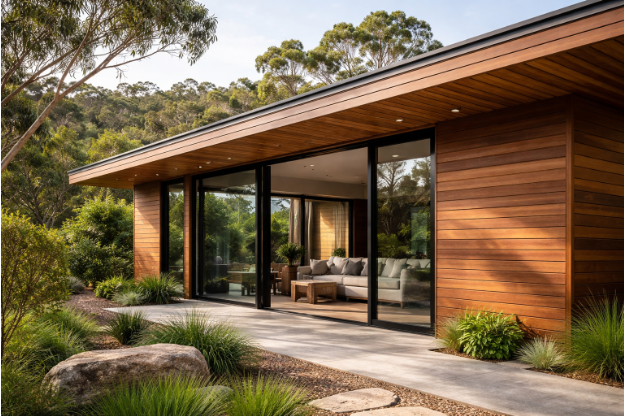
Hardwood timber cladding refers to exterior surfaces made from dense, durable timber species designed for long-term performance. Commonly used in timber facade cladding, these materials are engineered to resist moisture, pests, and UV exposure.
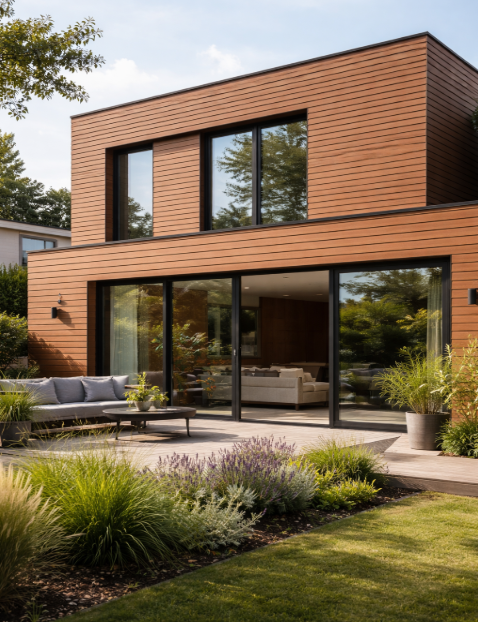
Hardwood cladding boards are the most common format, used for both vertical and horizontal applications. They deliver a clean architectural look while supporting architectural timber cladding trends.
Pre-fabricated timber exterior wall panels simplify installation and ensure uniform finishes. These are widely used in exterior timber cladding for homes, aiming for precision and speed.
Choosing external hardwood cladding is not just about aesthetics. It delivers measurable performance benefits.
Weather-Resistant Cladding – Australian climates demand weather-resistant cladding, and hardwood excels due to its density and natural oils. This makes hardwood exterior cladding ideal for coastal and high-UV areas.
Sustainable Timber Cladding – Responsibly sourced natural timber cladding supports eco-conscious construction. Many suppliers now offer certified sustainable timber cladding options.
Decorative Timber Facade – From rustic to contemporary, decorative timber facade solutions allow designers to experiment with textures, tones, and profiles. Timber facade cladding ideas often include mixed materials for visual contrast.

External hardwood cladding is widely used in Australian architecture for long-lasting facades.
Installation Essentials
A proper hardwood cladding installation guide includes:
These ensure longevity and prevent warping in timber cladding for exterior walls.
Best Applications
Hardwood wall cladding for modern homes works particularly well for:
Selecting the best hardwood cladding for exterior walls depends on exposure conditions and desired finish.

WPC cladding (Wood Plastic Composite) combines recycled wood fibres with polymers to create a low-maintenance solution.
Wood plastic composite cladding mimics timber while offering enhanced resistance to moisture and insects. It is widely used in WPC exterior wall cladding systems.
Key WPC cladding benefits include:
Products like WPC timber cladding boards and composite wall cladding panels are gaining traction in urban builds.
The decision between hardwood cladding vs composite cladding depends on priorities.
Performance Comparison
Cost and Maintenance
For premium architectural projects, hardwood wall cladding remains the preferred choice, while WPC suits budget-conscious or low-maintenance designs.
Selecting the right supplier is as critical as choosing the material. Bendigo Building and Timber Supplies provides a wide range of timber wall panels, external hardwood cladding, and composite wall cladding panels tailored for Australian conditions.
Their expertise ensures:
For more inspiration on combining indoor luxury with outdoor design, explore this guide on hardwood flooring and hardwood screening to see how timber enhances both privacy and aesthetics.
Take the next step: consult Bendigo Building and Timber Supplies to find the ideal cladding solution for your project and ensure long-term performance with expert-backed materials.
Ans:- The best hardwood cladding for exterior walls depends on climate and design goals. Dense hardwood species are preferred for durability in timber cladding in Australia.
Ans:- Yes, exterior timber cladding for homes is widely used in contemporary architecture due to its versatility and natural appeal.
Ans:- WPC cladding panels offer low maintenance, moisture resistance, and long lifespan, making them a strong alternative to hardwood timber cladding.
Ans:- In hardwood cladding vs composite cladding, timber provides authenticity and warmth, while composite wall cladding offers durability with less upkeep.
Ans:- Yes, when sourced responsibly, external hardwood cladding qualifies as sustainable timber cladding, supporting eco-friendly construction practices.